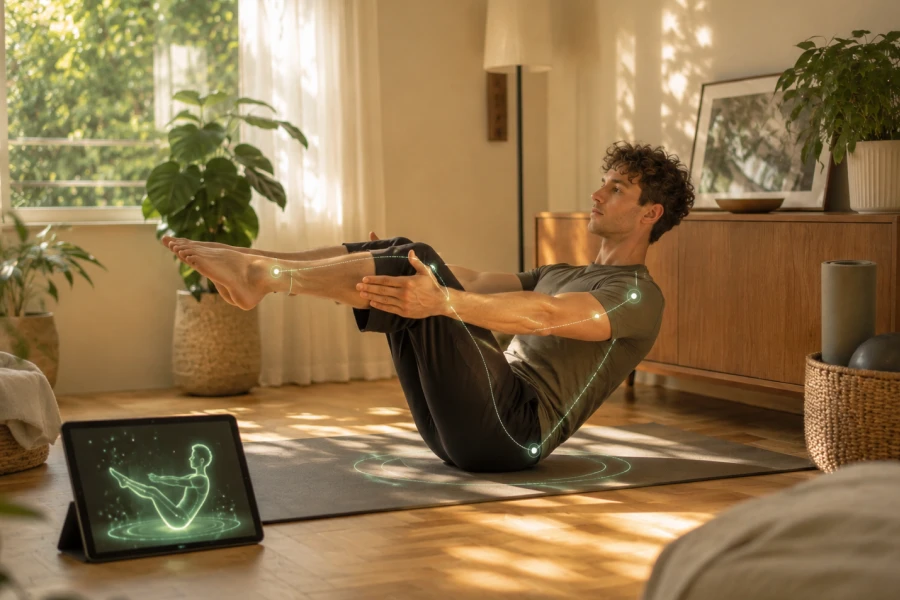
Many beginners struggle less with motivation than with decision fatigue. Pilates ai prompts can help by turning vague goals into clearer sessions. You can ask for structure. You can request modifications. You can plan around time, energy, or tight areas. This makes practice feel more personal. It also reduces the guesswork that stops beginners from starting. AI should not replace body awareness. It should support better choices. Used wisely, it becomes a planning assistant for your mat.
Starting is easier when the first step is clear. Beginners often wonder which exercises belong together. They may also worry about doing too much. A prompt can create a focused plan. It can suggest a short sequence. It can adjust for limited time. It can remind you to include warm-up and cool-down movements. A thoughtful custom pilates planning approach makes those suggestions more useful. Clarity lowers resistance. Lower resistance makes practice more likely.
Your body does not feel the same every day. Some days need gentle mobility. Other days can handle more strength work. Prompts let you describe that reality. You can mention soreness, time limits, or energy level. The response can shape a better session. This keeps routines flexible without becoming random. Personalization helps you stay consistent through real life. It also prevents all-or-nothing thinking. A flexible plan beats a perfect plan you avoid.
AI can suggest movement, but your body gives the final answer. That distinction matters. If something feels sharp, stop. If breathing becomes strained, reduce intensity. If a movement feels unclear, choose a simpler version. Prompts should support judgment, not override it. Beginners need permission to adapt. A practical beginner movement routine should include modifications. Modifications are not failure. They are intelligent practice.
Short sessions are perfect for prompt-based planning. You can ask for ten minutes. You can request low-impact movement. You can focus on posture, core, hips, or mobility. The clearer your request, the better the plan. Include your level. Include your available equipment. Include what you want to avoid. This gives the response better boundaries. Boundaries make the routine safer and more realistic. A useful prompt creates action quickly.
Try asking for a beginner Pilates session that avoids neck strain. Ask for a gentle routine after sitting all day. Ask for a core-focused plan with simple cues. Ask for a five-minute reset when motivation is low. These prompts create practical entry points. They also help you learn what your body prefers. Save the sessions that feel good. Repeat them before adding complexity. A supportive pilates habit builder can turn scattered ideas into a rhythm. Rhythm creates progress.
The best use of AI is steady support. It can help you plan, reflect, and adjust. It can suggest variety when routines feel stale. It can simplify sessions when life gets busy. However, your awareness remains central. You still decide what feels right. You still progress gradually. You still listen for strain and ease. When technology supports self-awareness, practice becomes more sustainable. That balance makes modern Pilates feel both smart and personal.


Leave a comment