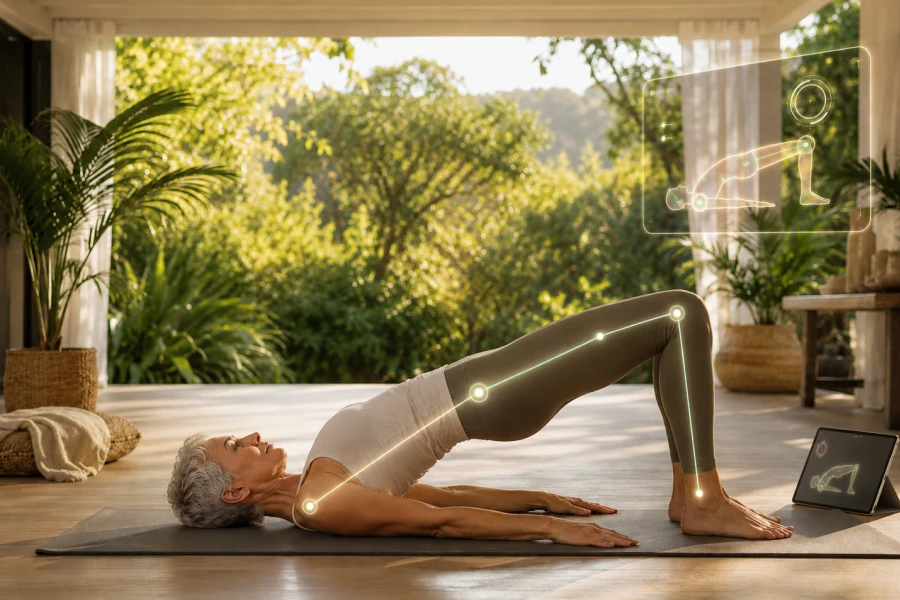
Pilates can look elegant from the outside, but it begins with practical fundamentals. Beginner pilates basics help you understand what your body should feel. You learn how to breathe. You learn how to align. You learn how to move without rushing. These details may seem small. They shape the whole practice. Without them, exercises can feel confusing or strained. With them, simple movements become powerful. Quiet strength starts with clear technique.
Harder exercises are not automatically better. They only help when your foundation can support them. Beginners benefit from mastering simple movements first. This creates cleaner control. It also prevents compensation patterns. Your body learns which muscles should lead. It also learns which areas should soften. A helpful pilates fundamentals resource can make those lessons clearer. Skill grows through repetition. Repetition turns basics into confidence.
Alignment helps your body distribute effort more intelligently. It reduces strain in the wrong places. It also makes movement feel smoother. Beginners often notice posture changes before strength changes. The spine feels longer. The shoulders feel less tense. The hips feel more connected. These improvements come from awareness. They also come from practicing slowly. A clear starter mat routine reinforces that awareness. Alignment becomes a habit.
Control is the quiet center of Pilates. You move only as far as you can stay organized. This teaches restraint. It also teaches precision. A smaller movement can be more effective than a bigger one. Beginners should welcome that idea. It removes pressure to perform. It also helps the body learn safely. Control turns each repetition into practice. Practice turns movement into skill.
Breathing supports movement and focus. Without it, exercises feel harder than necessary. Beginners often hold tension in the ribs or neck. Pilates breathing helps release that grip. It also supports the center of the body. Try matching breath to effort. Exhale when the movement needs support. Inhale when preparing or returning. This rhythm creates flow. Flow makes practice feel less mechanical.
A repeatable routine beats a complicated one. Choose a few foundational exercises. Keep the sequence familiar. Practice two or three times each week. Notice what feels smoother. Notice what still feels awkward. Both are useful. Tracking these changes builds motivation. A practical AI practice prompts approach can help personalize sessions. Personal structure keeps the routine fresh. It also keeps progress visible.
The basics do not disappear as you improve. They become even more important. Advanced movements still rely on breath, control, and alignment. Strong practitioners return to fundamentals often. That is what keeps technique clean. Beginners should see this as good news. Nothing learned early is wasted. Every careful repetition builds a deeper base. Eventually, harder exercises feel less mysterious. They feel like the next layer of something you already understand.


Leave a comment