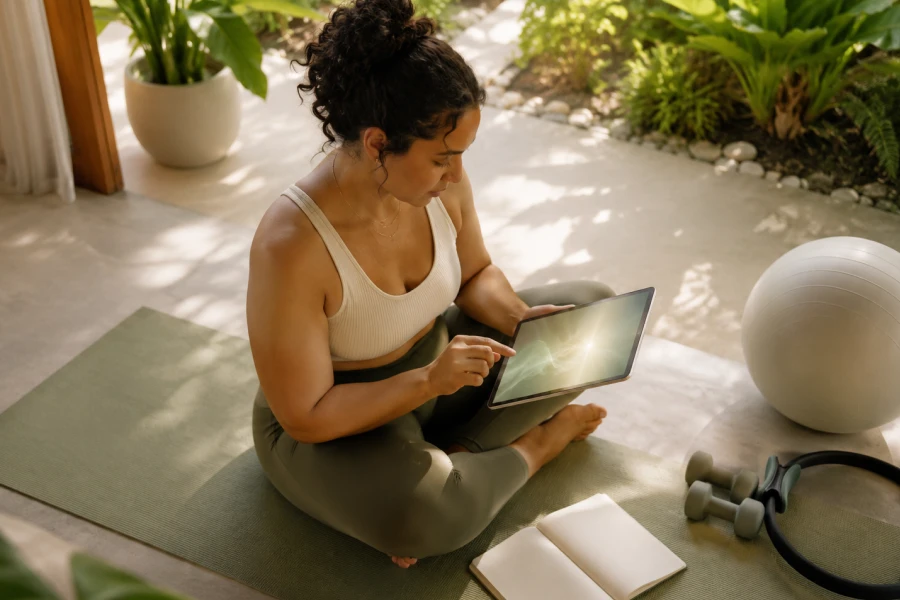
A routine does not need to be long to be effective. Simple pilates routines work because they remove friction. You know what to do. You know where to begin. You know when the session is complete. That clarity matters on busy days. It helps you practice without negotiating with yourself. A short mat session can still improve control, posture, and strength. The key is consistency. When the routine fits real life, movement happens more often.
Consistency depends on ease of starting. If a workout feels complicated, you postpone it. If it feels clear, you begin faster. Pilates rewards this kind of repetition. Short sessions build body awareness. They also strengthen small stabilizing muscles. Progress accumulates quietly. A practical beginner pilates basics resource helps keep the sequence focused. You stop chasing novelty. You start building skill. Skill makes movement more satisfying.
You do not need a studio setup. A mat-sized area is enough. Move furniture slightly if needed. Keep props simple. A towel can support the head. A pillow can support the knees. Small-space practice encourages intention. It also removes excuses. A clear home core practice can work in bedrooms, living rooms, or quiet corners. Accessibility matters. The easier the setup, the stronger the habit becomes.
A good routine has a reason behind each exercise. One movement may warm the spine. Another may activate the core. Another may build hip stability. This keeps the session balanced. It also prevents random effort. Beginners should choose movements that feel clear and controlled. Repetition helps the body understand them. Purposeful selection makes short routines more effective. You do less, but with better attention. That is a strong tradeoff.
Morning sessions should wake the body without overwhelming it. Start with breathing. Add gentle spinal movement. Include a core exercise that feels manageable. Finish with a lengthening shape. This structure creates momentum. It also prepares posture for the day. Keep the routine short enough to repeat. Avoid turning morning movement into pressure. A calm start often leads to better consistency.
Progress tracking should encourage you, not judge you. Notice smoother breathing. Notice steadier control. Notice less tension in the neck. Notice when an exercise feels clearer. These signs matter. They show coordination improving. A supportive pilates workout planning approach can help you record patterns. Keep notes simple. Too much tracking becomes another chore. The goal is awareness, not perfection.
A simple routine can evolve without becoming complicated. Add one variation at a time. Increase repetitions slowly. Change tempo before adding difficulty. These small adjustments keep progress safe. They also protect confidence. Your body learns best when changes feel manageable. Over time, familiar movements reveal new layers. What once felt difficult becomes steady. That steady feeling proves the routine is working.


Leave a comment